Sunday, March 22, 2026

Friday, January 9, 2026
United States Hempcrete Market Forecast Report 2025-2033
DUBLIN--(BUSINESS WIRE)--The "United States Hempcrete Market Report by Application, End Use, States and Company Analysis, 2025-2033" report has been added to ResearchAndMarkets.com's offering.
The United States Hempcrete Market is estimated to grow substantially from US$ 7.83 Billion in 2025 to US$ 10.60 Billion in 2033.
The growth is fueled by increasing demand for environmentally friendly building materials and sustainable construction methods. With an expected Compound Annual Growth Rate (CAGR) of 3.86% from 2025 to 2033, the market is set to grow as consumers and builders become more aware of the advantages of hemp-based materials.
In the US, the popularity of hempcrete is on the rise as people gain greater awareness of green construction methods. With an emphasis on lowering carbon footprints and conserving energy, homeowners and builders are searching for new materials such as hempcrete. Its minimal environmental impact is a strong selling feature, as the hemp used in hempcrete sequesters carbon during cultivation.
Additionally, the legalization of hemp farming in 2018 has made it easier for people to access hemp products, further increasing the popularity of hempcrete. Consequently, an increasing number of architects and constructors use hempcrete in green building designs, attracting eco-friendly consumers and helping to shape a more environmentally-friendly construction sector in the nation.
Drivers of the United States Hempcrete Market Growth
Increased Demand for Environmentally Friendly and Sustainable Building Products
The increasing emphasis on sustainability and green building is a chief accelerator of the U.S. hempcrete market. As the construction sector evolves towards low-carbon solutions, hempcrete - a natural composite of hemp hurds, lime, and water - is the material that provides better environmental advantages. It is carbon-negative, breathable, and energy-efficient, which makes it a desirable material for contemporary eco-friendly projects.
Rising awareness among consumers, architects, and builders to mitigate embodied carbon footprints has stimulated the adoption of hempcrete. The excellent insulation, mold resistance, and recyclability of the material are in line with LEED and green certification objectives. Plastic packaging contributes almost 40% of global plastic production, thus becoming a key target for environmentally aware consumers, businesses, and regulators aimed at limiting pollution. Sept. 2024, RENW debuts with an entirely integrated, industrial hemp-sourced solution for brands looking to reduce fossil fuel usage and deforestation through regenerative materials without compromise on cost or performance.
Regulatory Support and Technical Advancements in Industrial Hemp Production
Industrial hemp legalization in the 2018 U.S. Farm Bill provided a positive regulatory climate for hemp-derived products, such as hempcrete. This policy shift enabled farmers to legally cultivate hemp, expanding domestic raw material supply and lowering production costs. States such as Colorado, California, and Kentucky have since developed strong hemp cultivation frameworks, fostering vertical integration between agriculture and construction sectors.
Government and industry initiatives are also supporting research on hempcrete's structural and thermal performance, encouraging standardization in building codes. They are assisting in overcoming past regulatory ambiguities that restricted market growth. The Agriculture Improvement Act of 2018, or 2018 Farm Bill, signed into law in December 2018, excluded "hemp" from the definition of marijuana in the Controlled Substances Act. Hemp is cannabis with not more than 0.3 percent delta-9 THC on a dry weight basis. Prior to this bill, all marijuana was a Schedule I drug under the CSA. By removing hemp from this designation, Congress made it legal to grow and sell it, as well as its derivatives and extracts, at the federal level.
Increased Acceptance in Residential and Green Retrofit Projects
Its use in residential building is growing quickly, fueled by consumers who want healthier, more sustainable living spaces. Homebuilders are increasingly using hempcrete for building walls, insulation, and retrofitting existing buildings because of its high thermal performance and moisture control characteristics. It ensures better indoor air quality, lower energy costs, and long-term durability. The U.S. market is also experiencing greater applications of hempcrete in sustainable housing communities, off-grid homes, and passive house construction.
Moreover, the growing popularity of natural materials among architects and green builders is driving the trend. The adaptability of hempcrete - application in new constructions or refurbishments - is especially attractive for energy-efficient retrofitting of existing construction. May 2024, Quincy, Massachusetts, is the inaugural project to utilize funding from the Green and Resilient Retrofit Program at the federal level to improve energy efficiency and climate resilience. The U.S. Department of Housing and Urban Development just made a $750,000 grant to Wollaston Lutheran Church that will replace its gas heating and cooling system with a heat pump for very-low-income older residents.
United States Hempcrete Market Challenges
Lack of Standardization and Building Code Acceptance
One of the biggest challenges that the U.S. hempcrete market is currently experiencing is the lack of standardized building codes and acceptance. While hempcrete becomes more widely known for its ecological advantages, most state and local governments have not included it in formal construction codes. Without formal adoption, there are restrictions on large-scale commercial use and approval processes that become more complicated for builders and contractors.
It is also more difficult for architects and engineers to gain permits for buildings made with hempcrete, extending the time required to complete a project. There are initiatives by groups like ASTM International and the U.S. Hemp Building Association to create codes for structural and thermal performance. Mainstream incorporation, however, will remain sluggish until uniform regulations are in effect. Meeting standardization is key to maximizing hempcrete potential in building construction.
Limited Awareness and High Initial Costs
Even with its sustainability benefits, hempcrete is still not well-known to mainstream builders and customers in the U.S. building construction industry. Limited experience in handling it, curing, and long-term advantages discourage adoption. Furthermore, the construction cost of hempcrete is higher than that of conventional materials such as concrete or fiberglass-based insulation, mainly because production scales are smaller and import costs of some raw materials are greater.
Specialized labor and extended curing times can also delay project completion time and cost. But as production increases and supply chains mature, costs should decrease. Training programs, awareness campaigns, and demonstration projects are critical to closing the knowledge gap. Cost and familiarity hurdles will need to be overcome to move hempcrete from niche environmental projects to a common building material in the U.S. market.
Key Attributes:
Report Attribute Details
No. of Pages 200
Forecast Period 2025 - 2033
Estimated Market Value (USD) in 2025 $7.83 Billion
Forecasted Market Value (USD) by 2033 $10.6 Billion
Compound Annual Growth Rate 3.8%
Regions Covered United States
Company Analysis: Overview, Key Persons, Recent Developments, SWOT Analysis, Revenue Analysis
IsoHemp
Hempcrete Natural Building Ltd.
Americhanvre Cast Hemp
Lime Technology
Just BioFiber Structural Solutions
HempEco Systems
Hempitecture Inc.
Australian Hemp Masonry Company
Hemp Block USA
Dun Agro Hemp Group
Market Segmentation
Application
Wall
Floor
Roof
End Use
Residential
Non-residential
Top States
California
Texas
New York
Florida
Illinois
Pennsylvania
Ohio
Georgia
New Jersey
Washington
North Carolina
Massachusetts
Virginia
Michigan
Maryland
Colorado
Tennessee
Indiana
Arizona
Minnesota
Wisconsin
Missouri
Connecticut
South Carolina
Oregon
Louisiana
Alabama
Kentucky
Rest of United States
For more information about this report visit https://www.researchandmarkets.com/r/c1ekwd
About ResearchAndMarkets.com
ResearchAndMarkets.com is the world's leading source for international market research reports and market data. We provide you with the latest data on international and regional markets, key industries, the top companies, new products and the latest trends.
Contacts
ResearchAndMarkets.com
Laura Wood, Senior Press Manager
press@researchandmarkets.com
For E.S.T Office Hours Call 1-917-300-0470
For U.S./ CAN Toll Free Call 1-800-526-8630
For GMT Office Hours Call +353-1-416-8900
Saturday, January 3, 2026
Strain Hunters | Kyrgyzstan Expedition - Full Documentary
The Strain Hunters embark on an extraordinary journey across Kyrgyzstan, traveling deep into Central Asia in search of rare and ancient cannabis landraces. Following historic routes once used along the Silk Road, the expedition moves from preparation and arrival to full immersion in some of the region’s most remote and challenging landscapes.
Along the way, the team passes through the world-famous Nomad Games, where traditional sports, horsemanship, and cultural ceremonies offer a powerful glimpse into the nomadic heritage that has shaped life in Central Asia for centuries. These encounters provide essential cultural context for understanding how people, landscape, and plants have coexisted across the region.
Leaving modern roads behind, the Strain Hunters cross rugged mountain terrain on horseback and navigate harsh high-altitude conditions, where wild cannabis has adapted over generations. As the expedition continues, the team encounters diverse cannabis populations growing across valleys, lakeshores, and mountainous regions, shaped by isolation, climate, and terrain.
Through careful observation and documentation, the Strain Hunters examine differences in plant structure, aromas, and resilience, while local perspectives shed light on traditional cultivation practices and the plant’s historical and potential medicinal significance. Set against breathtaking landscapes and ancient trade routes, this documentary offers a rare and immersive look at cannabis in one of its most historically important regions.
This expedition is brought to you by Green House Seed Co. and GH Medical, continuing our mission to explore the planet, preserve rare genetics, and document cannabis culture worldwide.
🌍 Official Website
https://www.strainhunters.com
📸 Follow Us
Instagram: / strainhunters
Green House Seed Co.: / greenhouseseedco
GH Medical: https://ghmedical.com
Green House Seed Co: https://greenhouseseeds.com
Thursday, December 18, 2025
Saturday, May 3, 2025
US Cannabis Ban was Secret Racist Anti-US Wartime Espionage
A written enemy German wartime espionage confession was recently found in the archives of notorious racist Harry J Anslinger, author of the US and global cannabis ban. The State of Hawaii recently banned official use of the word " mari-uana," replacing it with the botanical term "cannabis " instead, owing to substantial, deliberate racism associated with the old word in its past American English uses. When the State's legislators passed the bill, however, they may have only been partially aware of exactly how racist the first cannabis bans really were. Recently reexamined US Treasury and State Department archives, some of which appear to have actually been stolen from the United States government by a career civil servant upon his 1960s retirement, suggest a link between Reefer Madness architects and enemy German espionage agents from the WWI and II-eras, including a written espionage confession. The stolen documents and enemy German espionage confession are the archives of cannabis Prohibition architect Harry J. Anslinger, who inexplicably took his office's government documents and physical items home with him after being fired by President John F. Kennedy in 1963 after a career of more than 30 years. The papers were relegated to the archival record room of Penn State University upon Anslinger's death as per his will, though they are in fact Treasury and State Department (i.e. public) property properly belonging to the US federal archival record system. And the records indicate anti-US espionage on behalf of enemy German wartime interests, when held up against the light of the era's other historical facts. (DOC) Govt Docs: US Cannabis Ban was Secret Racist Anti-US Wartime Espionage
Weed War Origin Heavily Racist

...but was it secretly a NAZI plot?
WWI-WWII Government Document Trove Discovered at PSU Library Hints at Sinister Deception

Cannabis laws are still rife with institutional racism, especially where “legalized” under heavily
restricted monopolistic grow licenses, leaving draconian penalties in place.
Cries of racism and NAZism echo around cannabis policy to this day, so badly, for example, that
in mid-August 2017, the anti-racism group “Antifa” threatened violence against Rev. Dr. Anne
Armstrong (a grandmother asked to read Drug War prisoner poetry at the Kennedy Center)
because of the woman’s affiliation with pro-Life, pro-Christian causes which some racists
supported in the past -- only to have the Kennedy Center call the Antifa group “NAZIs” for their
attempt to influence free speech.
Shockingly, Narcotics Bureau rogue Det. George White, and the early CIA with whom he
worked, were aware that cannabis was an excellent truth serum, and left copious records that it
worked better than sodium pentothal or scopolamine. White slipped cannabis extracts to
suspects whenever he felt like it, because it worked. It is no wonder that NAZIs have learned to
shun cannabis -- racism is not compatible with truth and honesty.
Friday, May 2, 2025
Friday, April 18, 2025
DCR revokes 25 microbusiness cannabis facility licenses
JEFFERSON CITY, MO — The Missouri Division of Cannabis Regulation (DCR) has revoked 25 microbusiness cannabis facility licenses during the second round of licensing for the Missouri voter-approved regulatory program for microbusinesses. Per Article XIV, microbusiness licenses are cannabis businesses that operate on a smaller scale than medical or comprehensive licenses. One of the requirements of the program is that the majority owner(s) must meet at least one eligibility qualification such as having a net worth of less than $250,000 or being a veteran with a service-connected disability. The microbusiness program is designed to provide an opportunity for cannabis facility ownership to individuals who might not otherwise easily access that opportunity.
Article XIV also requires the department to verify that microbusiness licenses were awarded to and are being operated by eligible owners. DCR must continue to monitor the details of microbusiness ownership arrangements, even if they later change, to ensure these licenses remain in compliance.
In October 2024, DCR issued 32 Notices of Pending Revocation (NOPR) for microbusiness licensees that were awarded on July 24, 2024. Each NOPR lists the basis for the pending revocation. Prior to the department revoking a license, the licensee is provided at least 30 days to respond to the allegations and submit records or information demonstrating why the license should not be revoked or suspended.
After thorough review, DCR determined that seven licensees satisfied the requirements outlined within their NOPR. In addition to other violations of rule, 24 licenses were revoked for failure to demonstrate that the microbusiness licenses were majority owned and operated by eligible individuals, pursuant to 19 CSR 100-1.190(1)(B)1-5 and Article XIV Section 2.4(12) and (13); one license was revoked for a disqualifying felony offense. The revocations took effect on April 14, 2025.
Below is the status of the 32 microbusiness licenses that received a notice of pending revocation:
License # | Licensee Name | Status |
MBD000020 | Millennium Retail LLC | Revoked |
MBD000022 | Idyll Zone LLC | Revoked |
MBD000023 | Individual | Revoked |
MBD000024 | Premium Pack LLC | Revoked |
MBD000026 | Green Oasis | Revoked |
MBD000027 | Individual | Revoked |
MBD000029 | Captured Crescents LLC | Revoked |
MBD000030 | Farm Fantasies LLC | Revoked |
MBD000031 | Virgo Vermillo | Revoked |
MBD000032 | Individual | Revoked |
MBD000033 | The Chronic Club LLC | Revoked |
MBD000034 | Potent Pals LLC | Revoked |
MBD000037 | Pure Leaf Labs LLC | Revoked |
MBD000038 | Xylo Gleam LLC | Revoked |
MBD000039 | Euphoria Group LLC | NOPR Satisfied |
MBD000040 | Individual | Revoked |
MBD000041 | Divergent Dancers LLC | Revoked |
MBW000035 | Drama Dunes LLC | Revoked |
MBW000037 | Cut the Grass LLC | Revoked |
MBW000039 | Verdant Sun Journey LLC | Revoked |
MBW000040 | Fallout170 | Revoked |
MBW000041 | Cobalt Star Voyager LLC | Revoked |
MBW000046 | Infinite Luck LLC | Revoked |
MBW000048 | Blue Meanies | NOPR Satisfied |
MBW000052 | Andrew Venne | NOPR Satisfied |
MBW000053 | Platinum Craft | NOPR Satisfied |
MBW000057 | Travis Dickens | NOPR Satisfied |
MBW000058 | MicroLegacy | NOPR Satisfied |
MBW000060 | Clifton Cannabis LLC | Revoked |
MBW000061 | MB Doinks LLC | NOPR Satisfied |
MBW000063 | Individual | Revoked |
MBW000065 | Individual | Revoked |
###
Friday, October 25, 2024
U.S. hemp group gets $19.6 million to implement innovative conservation practices
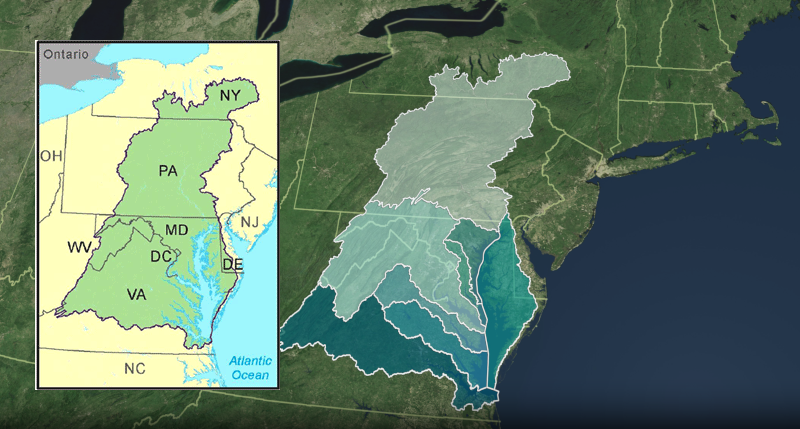
The National Hemp Association (NHA) has been awarded $19.6 million from the U.S. Department of Agriculture (USDA ) to lead a project aimed at protecting the Chesapeake Bay Watershed through climate-smart hemp farming.
The initiative, which will see hemp cultivated on up to 5,000 acres annually, employs practices such as contour farming, crop rotation, cover cropping, nutrient management, and no-till farming – methods that can reduce nutrient runoff, pesticide contamination, and soil erosion while improving the overall health of aquatic and terrestrial ecosystems.
The funding is from USDA’s Regional Conservation Partnership Program (RCPP), which connects public and private partners to implement innovative conservation practices. The RCPP is designed to address critical conservation challenges such as water quality, soil health, and wildlife habitat protection, making it a perfect fit for the NHA’s goals in the Chesapeake Bay region.
Wednesday, August 14, 2024
Missouri: NORML Affiliate Questions State Regulators’ Decision to Permit Toxic Additive in Certain Cannabis Products
Missouri: NORML Affiliate Questions State Regulators’ Decision to Permit Toxic Additive in Certain Cannabis Products

The Missouri state affiliate of NORML is publicly questioning why newly adopted regulations explicitly allow for elevated levels of the potentially toxic additive vitamin E acetate in state-authorized cannabis products, including vape cartridges.
In 2019, the US Centers for Disease Control identified vitamin E acetate as a toxic additive most likely responsible for the EVALI (e-cigarette or vaping product use-associated lung injury), which resulted in dozens of deaths nationwide and nearly three thousand hospitalizations. Unregulated vape cartridge producers had been using the oil to thicken the consistency of their e-liquids and to mask dilution. Following the outbreak, many states explicitly banned any use of vitamin E acetate in legal cannabis products.
Nonetheless, Missouri regulators recently raised the allowable limit for vitamin E acetate in state-authorized cannabis products from 0.2 parts per million to 5 parts per million.
Missouri NORML is pushing back on regulators’ decision. In a recently published op-ed, Missouri NORML Coordinator Dan Viets, who also currently serves as NORML’s Board Chair, wrote: “Vitamin E acetate does not naturally occur in organic cannabis. If it is there, it is [present] only because someone has intentionally put it into the product. The addition of this product is usually for the purpose of increasing the marketability of the product by giving it a greater viscosity. Vitamin E acetate should never occur in any amount in a legal and regulated cannabis product.”
Viets added, “There appears to be no rational explanation for why the state of Missouri would dramatically increase the amount of a very toxic substance in legal cannabis products when none of it whatsoever should be present in them.”
NORML’s Deputy Director Paul Armentano also added: “Given what we know about this additive and its role in the EVALI public health crisis, there is no rational basis for this decision. The advantage of a state-regulated market is to provide consumers with product purity and safety. This decision greatly undermines these public health goals.”
Additional information is available from Missouri NORML or by contacting Dan Viets at (573) 819-2669 or danviets@gmail.com.
Monday, August 12, 2024
AAFCO Approves Hempseed Meal for Laying Hens - National Hemp Association
On August 7th, 2024, the Hemp Feed Coalition (HFC) achieved a historic success as the full Association of American Feed Control Officials (AAFCO) membership approved the Ingredient Definition for Hempseed Meal (HSM) for Laying Hens. This federal approval represents a monumental moment for the hemp industry and a leap forward in animal nutrition. This is a critical first step in opening the door to widespread use of hemp grain in animal feed.

Hempseed Meal is not just another feed ingredient; it’s a powerhouse of nutrition. Packed with essential vitamins, minerals, and a complete protein profile—including all 20 amino acids and the nine essential ones—HSM offers unparalleled benefits for laying hens. Research has shown that incorporating HSM into a hen’s diet significantly improves egg quality. Hens fed with hempseed meal lay eggs enriched with essential fatty acids like ALA, DHA, and GLA, which are vital for promoting human health.
The approval process was no small feat. It involved years of rigorous evaluations, detailed correspondence with the FDA-Center for Veterinary Medicine (FDA-CVM), and careful consideration by the AAFCO Ingredient Definition Committee. This victory is thanks to the relentless efforts of the Hemp Feed Coalition and its partners. Their commitment to recognizing the value of hemp as a feed ingredient has been instrumental in achieving this success.
For farmers, the approval of Hempseed Meal provides a new avenue for crop rotation and farm flexibility, offering a nutritious and sustainable alternative to traditional feed sources like soy and canola. The nutritional benefits extend beyond the farm, as consumers will soon have access to eggs that are not only delicious but also nutritionally superior.

From left to right: HFC Executive Director, Morgan Tweet; HFC President, Andrew Bish; AAFCO Ingredient Definition Committee Chair Erin; HFC Board Member Bill Bookout
This milestone is just the beginning. The Hemp Feed Coalition remains dedicated to expanding the authorization of hemp seed products across a wider range of animals. As we look to the future, advocating for FDA and state-level approvals for hemp-based feed ingredients for pets and other non-production animals will be crucial in promoting agricultural diversity and sustainability.
The approval of Hempseed Meal for Laying Hens is more than just a win for the hemp industry—it’s a step towards a more resilient, diverse, and environmentally conscious agricultural future. Let’s keep the momentum going and continue to champion the integration of hemp into all aspects of animal nutrition.
Monday, July 8, 2024
Lack of processors leaves hemp industry out to dry
Lack of processors leaves hemp industry out to dry https://t.co/lWyAssQalm
— Scotty (@StLHandyMan) July 8, 2024
Sunday, June 9, 2024
Thursday, May 23, 2024
The roper Craft of spinning and braiding hemp fibers into ropes (without...
2 videos showing how to make natural fiber ropes without machines
Saturday, March 2, 2024
Wednesday, January 31, 2024
Hemp Seed Meal Achieves Monumental Milestone on Path to Federal Approval
Hemp Seed Meal Tentatively Approved for Laying Hens
In a landmark achievement for the hemp industry, our friends at the Hemp Feed Coalition helped secure a tentative approval of Hemp Seed Meal (HSM) for Laying Hens at the recent Association of American Feed Control Officials (AAFCO) Mid-Year Meeting.
FDA agency gives go-ahead on definition of 'hemp seed meal' for laying hens https://t.co/5WlakOQWPr via @hemptodaynews
— Scotty (@StLHandyMan) January 31, 2024
With the FDA-Center for Veterinary Medicine’s (FDA-CVM’s) recommendation for approval, the Ingredient Definition Committee approved the HSM tentative definition on Tuesday, January 23, 2024, with no opposition. This will go before AAFCO’s Board and members for final approval, and then be adopted into the Official Publication later this year. This historic milestone has been more than three years in the making and will allow processors to formulate with HSM in the diets of laying hens as a source of protein and fat at an inclusion of no more than 20%. To see the ingredient definition in its entirety, please visit hempfeedcoalition.org.
The Hemp Feed Coalition announces FDA-CVM’s recommendation for approval of Hemp Seed Meal for laying hens as a protein and fat source at AAFCO mid-year meeting.
.png "Hemp's entry into animal feed will catalyze agricultural advancement. It's an opportunity for farmers to diversify, to develop more sustainable supply chains, and to reap the benefits of a new crop.— Andrew Bish, President of HFC and COO of Bish Enterprises")
January 24, 2024 /EINPresswire.com/ -- Hemp Feed Coalition (HFC) a 501(c)(3) dedicated to obtaining federal approval for hemp grain products in animal feed, is pleased to announce a landmark achievement with the tentative approval of Hemp Seed Meal (HSM) for Laying Hens at the recent Association of American Feed Control Officials (AAFCO) Mid-Year Meeting. With the FDA-Center for Veterinary Medicine’s (FDA-CVM’s) recommendation for approval, the Ingredient Definition Committee approved the HSM tentative definition on Tuesday, January 23, 2024, with no opposition. This will go before AAFCO’s Board and members for final approval, and then be adopted into the Official Publication later this year. This historic milestone has been more than three years in the making and will allow processors to formulate with HSM in the diets of laying hens as a source of protein and fat at an inclusion of no more than 20%. To see the ingredient definition in its entirety, please visit hempfeedcoalition.org.
This hemp grain derivative is a highly nutritious ingredient with a wide range of essential vitamins, minerals, healthy oils, and a complete protein profile. Research confirms the nutrition profile and functionality of hemp feed resemble that of soy and canola while alleviating concerns about its suitability as an ingredient. Evidence also shows increased value over typical feed sources, with significant improvement in egg quality as HSM concentration increases in the hen’s diet. Notably, hemp-fed hens lay eggs enriched with essential fatty acids such as ALA, DHA, and GLA, and increased amounts of Lutein which are known promotors for human health. The safety of HSM has been validated through FDA-CVM’s rigorous evaluation, providing formulators and feed mills assurance that HSM is a safe and viable protein and fat source. Data to support this application included the validated method and quantification of cannabinoids in both the ingredient and egg product, and it was verified that any potential cannabinoid contaminants did not transfer over to human food products.
This hemp grain derivative is a highly nutritious ingredient with a wide range of essential vitamins, minerals, healthy oils, and a complete protein profile. Research confirms the nutrition profile and functionality of hemp feed resemble that of soy and canola while alleviating concerns about its suitability as an ingredient. Evidence also shows increased value over typical feed sources, with significant improvement in egg quality as HSM concentration increases in the hen’s diet. Notably, hemp-fed hens lay eggs enriched with essential fatty acids such as ALA, DHA, and GLA, and increased amounts of Lutein which are known promotors for human health. The safety of HSM has been validated through FDA-CVM’s rigorous evaluation, providing formulators and feed mills assurance that HSM is a safe and viable protein and fat source. Data to support this application included the validated method and quantification of cannabinoids in both the ingredient and egg product, and it was verified that any potential cannabinoid contaminants did not transfer over to human food products.
Additional Info: MOhemp Energy: Hempseeds for Chickens Study: Effect of feeding hemp seed meal to laying hens Raw Hemp Seeds
Safe, nutritious alternatives like HSM improve efficiencies across US feed supply chains. Feed mills and formulators have eagerly awaited this approval, having recognized the potential of hemp feed products long ago. HFC looks forward to collaborating with feed producers to incorporate HSM as a viable solution to their supply challenges.
Farmers interested in hemp have expressed their desire for additional rotations but are hesitant to do so without the risk mitigation of a feed market. New crops like hemp bring benefits to soil, disease control, and farm flexibility; and with hemp in particular, lower input needs, resulting in a more sustainable supply chain overall. "Hemp's integration into animal feed is a catalyst for agricultural advancement. It's an opportunity for farmers to diversify with lower risk for supply chains to become more sustainable, and for the entire agricultural community to reap the benefits of this versatile crop." - Andrew Bish, President of HFC and COO of Bish Enterprises, a company rooted in agricultural innovation.
HFC is excited to enable a more nutritious ingredient, reduce risk for farmers, and open hemp market opportunities. HFC members are proud to support these efforts and lay the groundwork for hemp grain products in feed across species. To learn more about the benefits of HSM for laying hens, join HFC and visit the MemberZone page to access additional data and resources.
Hemp Feed Coalition is a 501(c)(3) organization that consists of hemp and feed industry leaders dedicated to facilitating the health of our animals as well as the expansion of the hemp industry. HFC is currently prepping trial data and seeking partners- become a Champion of the next Hemp Feed Application.
Healthy Food, Healthy Feed, Healthy Planet
Morgan Tweet
Hemp Feed Coalition

Friday, April 14, 2023
EPA Establishes First Pesticide Tolerance for Hemp
The U.S. Environmental Protection Agency (EPA) has established the first pesticide tolerance for hemp. This tolerance is for the pesticide ethalfluralin. After a robust human health risk assessment, on April 10th, EPA issued a final tolerance rule that established the maximum amount of ethalfluralin residues allowed to remain in or on hemp seed. Today, EPA accepted labels for this pesticide that now contain directions for use on hemp. Establishing a tolerance for residues of ethalfluralin on hemp and accepting updated pesticide labels provides farmers with an additional tool to control annual broadleaf and grassy weeds that grow in hemp fields.
EPA is responsible for regulating the pesticides used to protect crops grown for human food and animal feed and for setting limits on the amount of pesticides that may remain in or on foods marketed in the United States. These limits on pesticides left on foods are called "tolerances."
Under the Federal Food, Drug, and Cosmetic Act, any person can file a petition with EPA requesting that the agency establish tolerances for a pesticide’s use on a crop.
The 2018 Farm Bill authorized the production of hemp, and removed hemp and hemp seeds from the Drug Enforcement Administration’s schedule of Controlled Substances. The changes in the legal status of hemp led to increased interest in growing the crop and in pest control options for hemp growers. There are currently biopesticides already registered for use on hemp. However, those pesticides are tolerance exempt because the risk assessments EPA conducted demonstrated that the risks from aggregate exposure to pesticide residues under reasonably foreseeable circumstances would pose no harm to human health.
Ethalfluralin, a conventional pesticide, is an herbicide that already has tolerances for use on other crops such as peanuts, potatoes, and soybeans. In October 2020, EPA received a petition from Interregional Research Project No. 4 (IR-4) requesting tolerances be established for residues of ethalfluralin in or on several crops, including hemp. IR-4 is a USDA-funded project that helps specialty crop growers address pest management concerns. As this is the first instance of establishing a food tolerance for hemp, EPA considered the agronomics of hemp production and developed science policies to guide assessment of potential human health exposure and risk from application of ethalfluralin on hemp. The final tolerance rule issued this week established tolerances for residues of ethalfluralin for hemp as well as well as other commodities that were part of the subject petition.
EPA’s tolerance for residues of ethalfluralin in or on hemp seed is based on carefully considered scientific rationale using ethalfluralin residue field trial data from several other crops. This new use of ethalfluralin on hemp is not expected to pose any unreasonable risks to people or the environment.
To learn more, view the final rule and scientific analysis in docket EPA-HQ-OPP-2021-0130 at www.regulations.gov.
Thursday, March 23, 2023
House Agriculture and Natural Resources Committee 03/14/2023
Another Great Comparison of Hemp and Marijuana Misconception: The Confusion!! Source:https://t.co/13hYQMT32P pic.twitter.com/J5prEm2cBK
— Scotty (@StLHandyMan) March 23, 2023
Hemp vs Conventional Crop Income Comparison source: https://t.co/ZLxbzRLIEt? pic.twitter.com/zM91k8uEDl pic.twitter.com/g2ce0t3fPf
— Scotty (@StLHandyMan) March 23, 2023
— Scotty (@StLHandyMan) March 23, 2023


Spotlight: California Hemp Roundhouse — HempBuild Magazine
Spotlight: California Hemp Roundhouse — HempBuild MagazineFabulous!
— Nicco (@GypsyMajik1122) March 23, 2023
Hemp, sheep's wool, and radiant heating and cooling.
I like a dome shaped structure/ home.
I stayed in a dome shaped home a few years ago in the deep south in a wooded area.
Nice!
Thanks for sharing, Scotty@LorisWood3 @Refoundantuiqu1
Thursday, February 16, 2023
Friday, February 10, 2023
Support Private CBD Companies, Not Monopolies!
Government to Put Squeeze on CBD Market?
Support Private CBD Companies, Not Monopolies!
Reject the dangerous Big Pharma pills and help heal your body the natural way with CBD.
David Hawk is here to talk about CBD and its health benefits.
 |
| https://www.stewpeters.com/video/2023/02/government-to-put-squeeze-on-cbd-market-support-private-cbd-companies-not-monopolies/ |
https://www.stewpeters.com/video/2023/02/government-to-put-squeeze-on-cbd-market-support-private-cbd-companies-not-monopolies/
Subscribe to:
Posts (Atom)